
Do all users understand the calibration method of the balancing machine? How to verify the accuracy and stability of the balancing machine? Today, the technical master of Shenman Dynamic Balancing Machine Factory will give you a detailed explanation. At the same time, we welcome friends who have technical difficulties and dynamic balance needs to contact us through our official website customer service. Shenman can provide on-site dynamic balance testing services with on-site dynamic balance instruments.
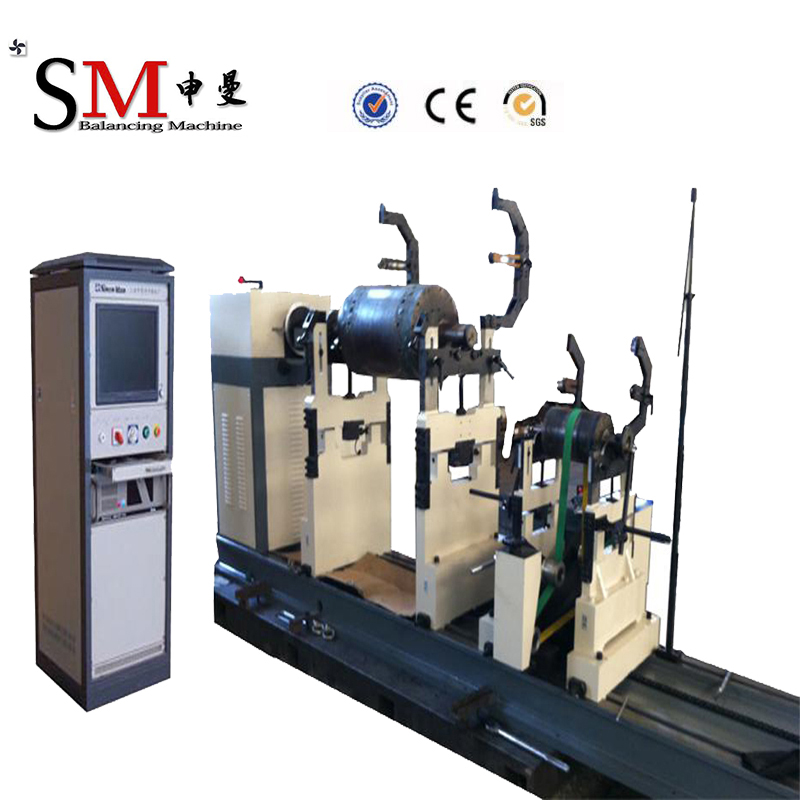
In the calibration standards of dynamic balancing machines, detailed explanations are provided for the calibration of general dynamic balancing machines, while for the calibration of specialized dynamic balancing machines, it is required to refer to the calibration of general dynamic balancing machines. With the widespread use of dynamic balancing machines, especially the emergence of specialized balancing machines, their calibration is clearly unreliable. So, based on the principle of dynamic balance and the method of universal dynamic balance machine calibration, grasp the core of balance machine calibration. The minimum achievable remaining unbalance e0 and the unbalance reduction rate URR can be determined by testing. The minimum achievable remaining unbalance of the balancing machine can be measured first, and then the test weight for verification can be calculated based on this result. Finally, the minimum achievable remaining unbalance of the balancing machine can be verified to be qualified. Determine the imbalance reduction rate of the balancing machine through the circular chart method, and obtain the accuracy of the balancing machine's directional indication.
What are the key indicators of a balancing machine?
1. The accuracy of a balancing machine: The so-called balancing machine accuracy refers to the minimum measurement unit that the balancing machine can achieve based on the size requirements of the workpiece. It is generally expressed in units of g • mm/Kg. The smaller the value before the unit, the higher the accuracy that the equipment can achieve, and vice versa.
2. The first reduction rate of the unbalance amount of the balancing machine: When the residual unbalance amount of the workpiece measured by the balancing machine is reduced or increased by using the displayed quantity value through the method of removing weight or adding weight, check how much the residual unbalance amount actually decreases after adding or subtracting weight, and the percentage of the actual decrease value to the displayed unbalance amount, which is the first reduction rate. The larger the reduction rate, the better the equipment, and vice versa.
3. Re linearity (also known as re linearity) of a balancing machine: When the residual unbalance is measured when the workpiece is placed on the balancing machine, no action is taken at this time. Repeat the measurement N times and compare the differences in each value. The smaller the difference, the better the re linearity of the balance, and vice versa.
4. Linearity of the balancing machine: The maximum deviation (Δ Ymax) between the calibration curve of the balancing machine and the actual straight line under specified conditions and the percentage of the full scale output (Y) is called linearity (linearity, also known as "nonlinear error"). The smaller the value, the better the linear characteristics. It may also be explained that before testing a certain workpiece, the balancing machine establishes parameters using each specific test weight, so when using other test weights, the linearity can reflect the authenticity of their test weights.
5. Accuracy of balancing machine: The authenticity of the imbalance value that can be measured by the balancing machine.
6. The production characteristics of a balancing machine: When measuring workpieces, the balancing machine needs to clamp or place the workpieces on a support frame. After each measurement, the workpieces do not make any correction actions, and are removed from the equipment and placed again for measurement.
7. The production efficiency of a balancing machine is the ratio of the actual production of qualified products within a specified workpiece time to the testing unit time. Can reflect the maximum output achieved. It can measure the performance of economic individuals under goals such as output, cost, income, or profit.
In the calibration standards of dynamic balancing machines, detailed explanations are provided for the calibration of general dynamic balancing machines, while for the calibration of specialized dynamic balancing machines, it is required to refer to the calibration of general dynamic balancing machines. With the widespread use of dynamic balancing machines, especially the emergence of specialized balancing machines, their calibration is clearly unreliable. So, based on the principle of dynamic balance and the method of universal dynamic balance machine calibration, grasp the core of balance machine calibration. The minimum achievable remaining unbalance e0 and the unbalance reduction rate URR can be determined by testing. The minimum achievable remaining unbalance of the balancing machine can be measured first, and then the test weight for verification can be calculated based on this result. Finally, the minimum achievable remaining unbalance of the balancing machine can be verified to be qualified. Determine the imbalance reduction rate of the balancing machine through the circular chart method, and obtain the accuracy of the balancing machine's directional indication.
What are the key indicators of a balancing machine?
1. The accuracy of a balancing machine: The so-called balancing machine accuracy refers to the minimum measurement unit that the balancing machine can achieve based on the size requirements of the workpiece. It is generally expressed in units of g • mm/Kg. The smaller the value before the unit, the higher the accuracy that the equipment can achieve, and vice versa.
2. The first reduction rate of the unbalance amount of the balancing machine: When the residual unbalance amount of the workpiece measured by the balancing machine is reduced or increased by using the displayed quantity value through the method of removing weight or adding weight, check how much the residual unbalance amount actually decreases after adding or subtracting weight, and the percentage of the actual decrease value to the displayed unbalance amount, which is the first reduction rate. The larger the reduction rate, the better the equipment, and vice versa.
3. Re linearity (also known as re linearity) of a balancing machine: When the residual unbalance is measured when the workpiece is placed on the balancing machine, no action is taken at this time. Repeat the measurement N times and compare the differences in each value. The smaller the difference, the better the re linearity of the balance, and vice versa.
4. Linearity of the balancing machine: The maximum deviation (Δ Ymax) between the calibration curve of the balancing machine and the actual straight line under specified conditions and the percentage of the full scale output (Y) is called linearity (linearity, also known as "nonlinear error"). The smaller the value, the better the linear characteristics. It may also be explained that before testing a certain workpiece, the balancing machine establishes parameters using each specific test weight, so when using other test weights, the linearity can reflect the authenticity of their test weights.
5. Accuracy of balancing machine: The authenticity of the imbalance value that can be measured by the balancing machine.
6. The production characteristics of a balancing machine: When measuring workpieces, the balancing machine needs to clamp or place the workpieces on a support frame. After each measurement, the workpieces do not make any correction actions, and are removed from the equipment and placed again for measurement.
7. The production efficiency of a balancing machine is the ratio of the actual production of qualified products within a specified workpiece time to the testing unit time. Can reflect the maximum output achieved. It can measure the performance of economic individuals under goals such as output, cost, income, or profit.
42 Views


