
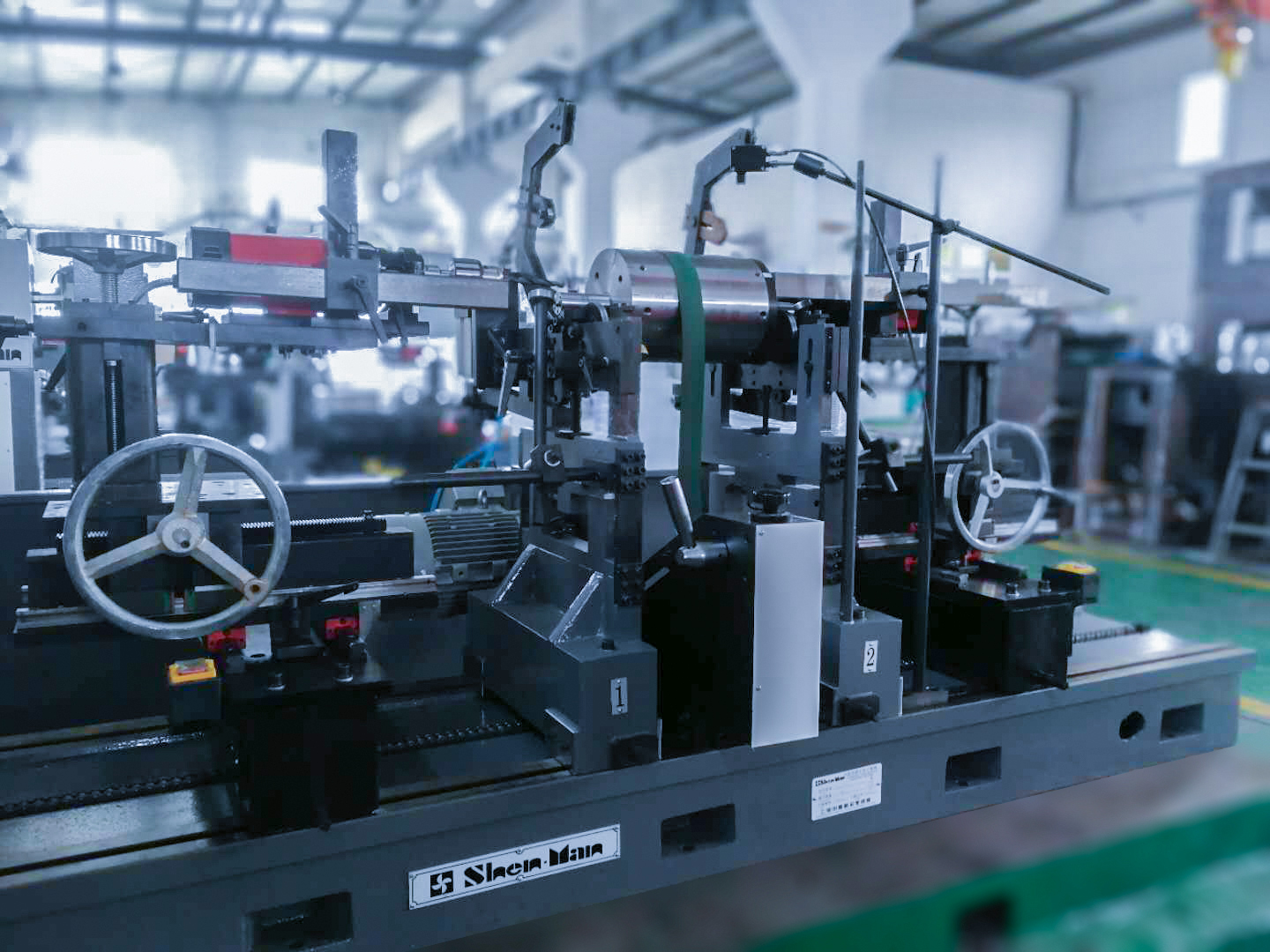
The sensor of the dynamic balance machine is the primary link to achieve automatic detection and control, and plays a very important role in the rotor dynamic balance testing system. It can transform the detected information into electrical signals or other forms of information output according to information characteristics. The technician of Shenman Dynamic Balance Machine Factory focuses on introducing the types of dynamic balance machine sensors.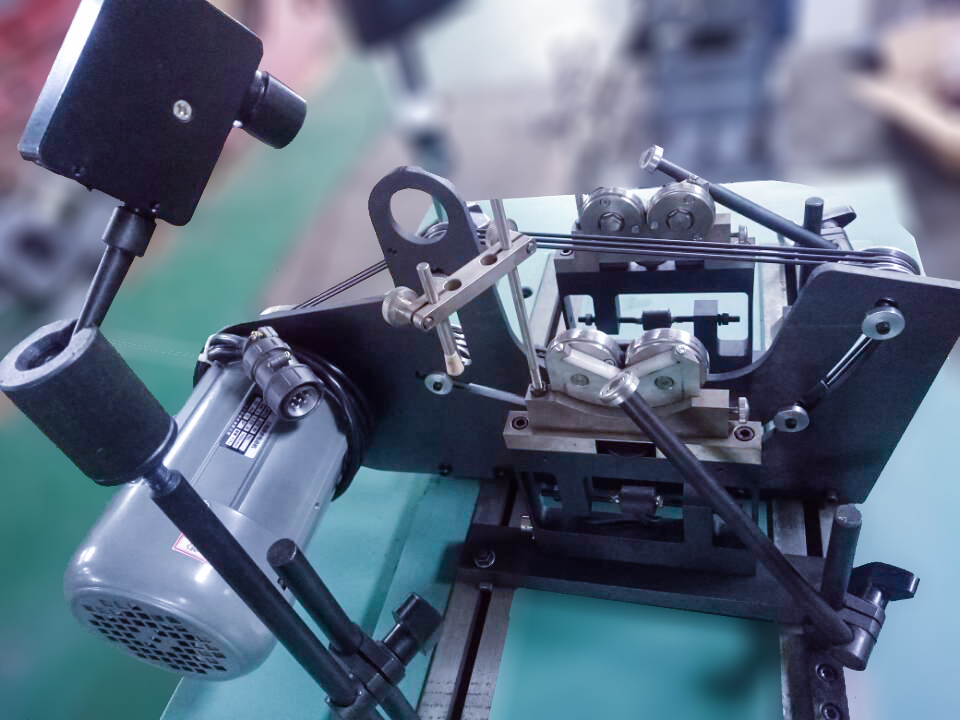
1. Speed sensor
A speed sensor is a sensor that converts the speed of object vibration into electrical output. It is a non-contact measuring device that can be manufactured using mechanical, electrical, magnetic, optical, and hybrid methods. Common speed sensors are divided into several categories, including magneto electric induction, photoelectric effect, Hall effect, and so on. Its advantages are easy installation, no need for external power supply, good performance in measuring the intermediate frequency range, and it is more suitable for medium speed rotors; Its disadvantage is that the performance may decrease after a period of use, and there may be a certain phase difference during low-frequency prediction.
2. Acceleration sensor
An accelerometer is an electronic device that can measure acceleration force. In physics, when an object is subjected to a force, it produces an acceleration, such as gravity. The acceleration force can be a constant, such as g, and can be a variable. The accelerometer is designed based on this principle. Common types include magneto electric acceleration sensors, piezoelectric acceleration sensors, and fiber optic acceleration sensors. In unbalanced measurement, piezoelectric acceleration sensors are commonly used, which have the advantages of good reliability, easy installation, and are more suitable for measuring high-frequency vibrations; The disadvantage is that it is difficult to measure low-frequency vibration and requires an external DC power supply for measurement.
3. Speed sensor
A speed sensor is a sensor that converts the speed of a rotating object into an electrical output. It can accurately measure the instantaneous speed of various motors used in automatic control systems and automation instruments. The commonly used speed sensors are divided into magneto electric induction type, photoelectric effect type, magnetic resistance effect type, capacitive type, etc. The phase of the unbalanced quantity is based on the speed signal, and the periodic pulse signal of the speed measurement is also provided by the speed signal.
4. Displacement sensor
Displacement sensors, also known as linear sensors, commonly include inductive displacement sensors, capacitive displacement sensors, photoelectric displacement sensors, ultrasonic displacement sensors, and Hall displacement sensors. The working principle of a displacement sensor is to convert the physical displacement generated by the tested object into corresponding electrical signals. Displacement sensors are mainly used for intelligent control of analog quantities in automated equipment production lines. Its advantage is that the signal-to-noise ratio of the measured signal is high, and the measurement frequency range is relatively wide, which can directly measure the vibration position and is easy to calibrate; Its disadvantage is that it is inconvenient to install and requires an external DC power supply for use.
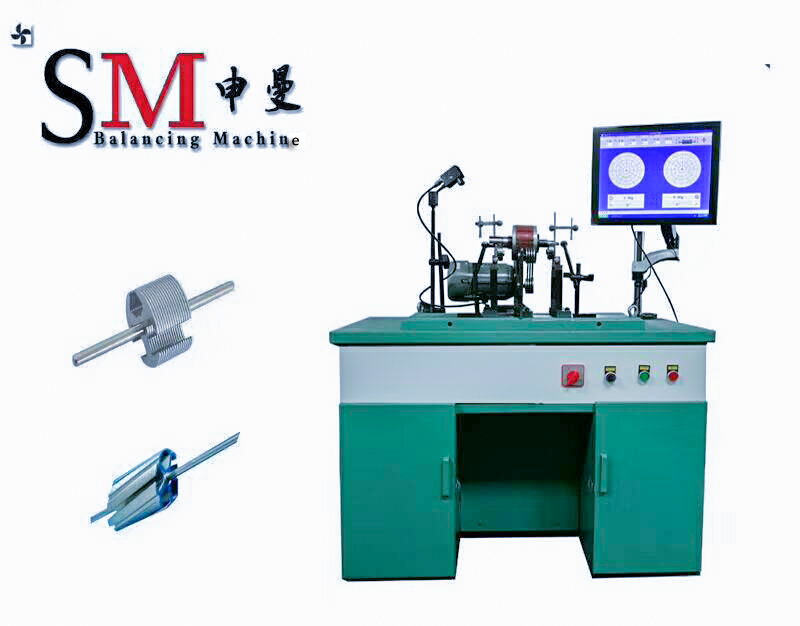
The working principle of sensors detecting vibration signals can be represented by three processes. The first process is to receive vibration signals, the second process is to convert vibration signals into electrical signals, and the third process is to convert electrical signals into voltage signals that can be processed by subsequent instruments. There are many types of sensors in practical applications, including pressure sensors, infrared sensors, displacement sensors, photoelectric sensors, etc. Below, we will focus on introducing several vibration sensors used in rotor dynamic balance dynamic balance testing systems.
1. Speed sensor
A speed sensor is a sensor that converts the speed of object vibration into electrical output. It is a non-contact measuring device that can be manufactured using mechanical, electrical, magnetic, optical, and hybrid methods. Common speed sensors are divided into several categories, including magneto electric induction, photoelectric effect, Hall effect, and so on. Its advantages are easy installation, no need for external power supply, good performance in measuring the intermediate frequency range, and it is more suitable for medium speed rotors; Its disadvantage is that the performance may decrease after a period of use, and there may be a certain phase difference during low-frequency prediction.
2. Acceleration sensor
An accelerometer is an electronic device that can measure acceleration force. In physics, when an object is subjected to a force, it produces an acceleration, such as gravity. The acceleration force can be a constant, such as g, and can be a variable. The accelerometer is designed based on this principle. Common types include magneto electric acceleration sensors, piezoelectric acceleration sensors, and fiber optic acceleration sensors. In unbalanced measurement, piezoelectric acceleration sensors are commonly used, which have the advantages of good reliability, easy installation, and are more suitable for measuring high-frequency vibrations; The disadvantage is that it is difficult to measure low-frequency vibration and requires an external DC power supply for measurement.
3. Speed sensor
A speed sensor is a sensor that converts the speed of a rotating object into an electrical output. It can accurately measure the instantaneous speed of various motors used in automatic control systems and automation instruments. The commonly used speed sensors are divided into magneto electric induction type, photoelectric effect type, magnetic resistance effect type, capacitive type, etc. The phase of the unbalanced quantity is based on the speed signal, and the periodic pulse signal of the speed measurement is also provided by the speed signal.
4. Displacement sensor
Displacement sensors, also known as linear sensors, commonly include inductive displacement sensors, capacitive displacement sensors, photoelectric displacement sensors, ultrasonic displacement sensors, and Hall displacement sensors. The working principle of a displacement sensor is to convert the physical displacement generated by the tested object into corresponding electrical signals. Displacement sensors are mainly used for intelligent control of analog quantities in automated equipment production lines. Its advantage is that the signal-to-noise ratio of the measured signal is high, and the measurement frequency range is relatively wide, which can directly measure the vibration position and is easy to calibrate; Its disadvantage is that it is inconvenient to install and requires an external DC power supply for use.
52 Views


