
The main function of Shenman dynamic balancing machine is to measure the magnitude and position of imbalance of rotating object (rotor). The main performance of the dynamic balancing machine is to use two comprehensive indexes, minimum reachable residual unbalance and reduction rate of the dynamic balancing machine. The former is the minimum reachable residual unbalance of the rotor by the balancing machine, and it is the index to measure the highest balancing ability of the balancing machine. The latter is the ratio of the reduced imbalance to the initial imbalance after one correction.
Method of checking the measuring accuracy and accuracy of a dynamic balancer:
1. Calibrate the balancing machine first. The calibration procedure is shown in the instructions. It is assumed that the outer circle of the rotor is used as the correction surface of the workpiece (convenient for checking the accuracy of the balancing machine).
2. After the calibration is finished, use the balancer software to measure the unbalanced quantity of the workpiece, for example, the unbalanced quantity of 20g on the left correcting surface of the workpiece at angle 100 degrees needs to be weighed, and 30g on the right correcting surface at angle 150 degrees needs to be weighed. At this time, find two 10g weights to be used as test weights for verification, and add two 10g weights to 100 degrees on the left side and 150 degrees on the right side respectively. At this time, measure the unbalanced quantity again. If the imbalance on the left side is increased by about 90% of the weight of 10G and the imbalance on the right side is increased by about 90% of the weight of 10g, then the accuracy of the balancer meets the precision requirements and the balancer is OK. Conversely, there is a fault in the balancing machine equipment and the above five fault factors need to be repaired.
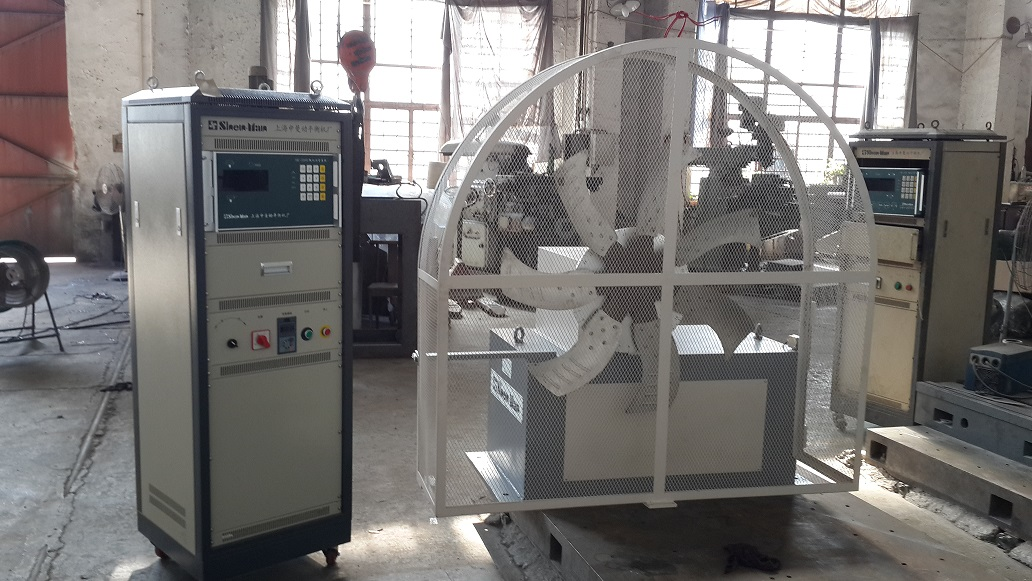
Factors affecting measurement accuracy and accuracy of dynamic balancer:
1. Software measurement factors: damaged data acquisition card or other electronic components.
2. It is necessary to balance the factors of the workpiece itself: the processed workpiece does not meet the production process requirements, and the surface of the support position of the balancing machine swing is not qualified.
3. Human factors: the operator operates the balancing machine improperly, the calibration value or angle deviates, and the calibration position deviates from the calibration position.
4. The mechanical part of the balancing machine influences the balancing accuracy, such as: the runout of the rollers, the dirty surface of the rollers, the loose connection of the swing frame as a whole, the unstable bed and so on. If there is a process tooling, the influence of the fitting tolerance between the tooling and the workpiece needs to be considered (<0.03mm).
5. Sensor and sensor line factors: piezoelectric sensor is damaged or assembled too tightly or too loosely, the speed sensor is damaged or the speed measurement does not conform to the actual speed (besides man-made marking, there are also light-sensitive points affecting the speed measurement in the ring-and-belt balancer), the sensor line is open or short-circuited.
Method of checking the measuring accuracy and accuracy of a dynamic balancer:
1. Calibrate the balancing machine first. The calibration procedure is shown in the instructions. It is assumed that the outer circle of the rotor is used as the correction surface of the workpiece (convenient for checking the accuracy of the balancing machine).
2. After the calibration is finished, use the balancer software to measure the unbalanced quantity of the workpiece, for example, the unbalanced quantity of 20g on the left correcting surface of the workpiece at angle 100 degrees needs to be weighed, and 30g on the right correcting surface at angle 150 degrees needs to be weighed. At this time, find two 10g weights to be used as test weights for verification, and add two 10g weights to 100 degrees on the left side and 150 degrees on the right side respectively. At this time, measure the unbalanced quantity again. If the imbalance on the left side is increased by about 90% of the weight of 10G and the imbalance on the right side is increased by about 90% of the weight of 10g, then the accuracy of the balancer meets the precision requirements and the balancer is OK. Conversely, there is a fault in the balancing machine equipment and the above five fault factors need to be repaired.
Factors affecting measurement accuracy and accuracy of dynamic balancer:
1. Software measurement factors: damaged data acquisition card or other electronic components.
2. It is necessary to balance the factors of the workpiece itself: the processed workpiece does not meet the production process requirements, and the surface of the support position of the balancing machine swing is not qualified.
3. Human factors: the operator operates the balancing machine improperly, the calibration value or angle deviates, and the calibration position deviates from the calibration position.
4. The mechanical part of the balancing machine influences the balancing accuracy, such as: the runout of the rollers, the dirty surface of the rollers, the loose connection of the swing frame as a whole, the unstable bed and so on. If there is a process tooling, the influence of the fitting tolerance between the tooling and the workpiece needs to be considered (<0.03mm).
5. Sensor and sensor line factors: piezoelectric sensor is damaged or assembled too tightly or too loosely, the speed sensor is damaged or the speed measurement does not conform to the actual speed (besides man-made marking, there are also light-sensitive points affecting the speed measurement in the ring-and-belt balancer), the sensor line is open or short-circuited.
185 Views


