
There are different clamping methods according to the size, shape and processing content of the workpiece. For example, rectangular workpieces are usually clamped with machine flat tongs; Cylindrical workpieces can be clamped with flat tongs or with indexing heads. Large flat workpieces are usually processed by pressing the platen directly on the worktable of the milling machine.
In actual operation, attention must be paid to the correctness of the dynamic balance detection clamping method. The dynamic balance machine is only a detection tool, and it is necessary to make the dynamic balance machine give full play to its function and let it enter this detection state. The prerequisite for entering this state is to select the correct clamping method. Therefore, whether this factor should be considered before the dynamic balance test, and which clamping method of the dynamic balance machine should be considered before purchasing the dynamic balance machine.
At present, in general, such factories as the flange of the manufacturing center and the gear on the automobile, the flange, gear and other workpieces produced need dynamic balance detection. Due to the large quantity, better and more convenient fixtures are needed to improve the detection efficiency of the shaft type workpieces.
Reprint statement: This article was originally edited by Shenman balancing machine factory at www.shshenman.com, and cannot be reprinted without permission!
At present, many customers who purchase dynamic balancing machines do not know that the clamping method of workpieces will greatly affect the detection accuracy of Shenman dynamic balancing machines. Shen man's dynamic balancing technician tells us how to choose the correct clamping method.
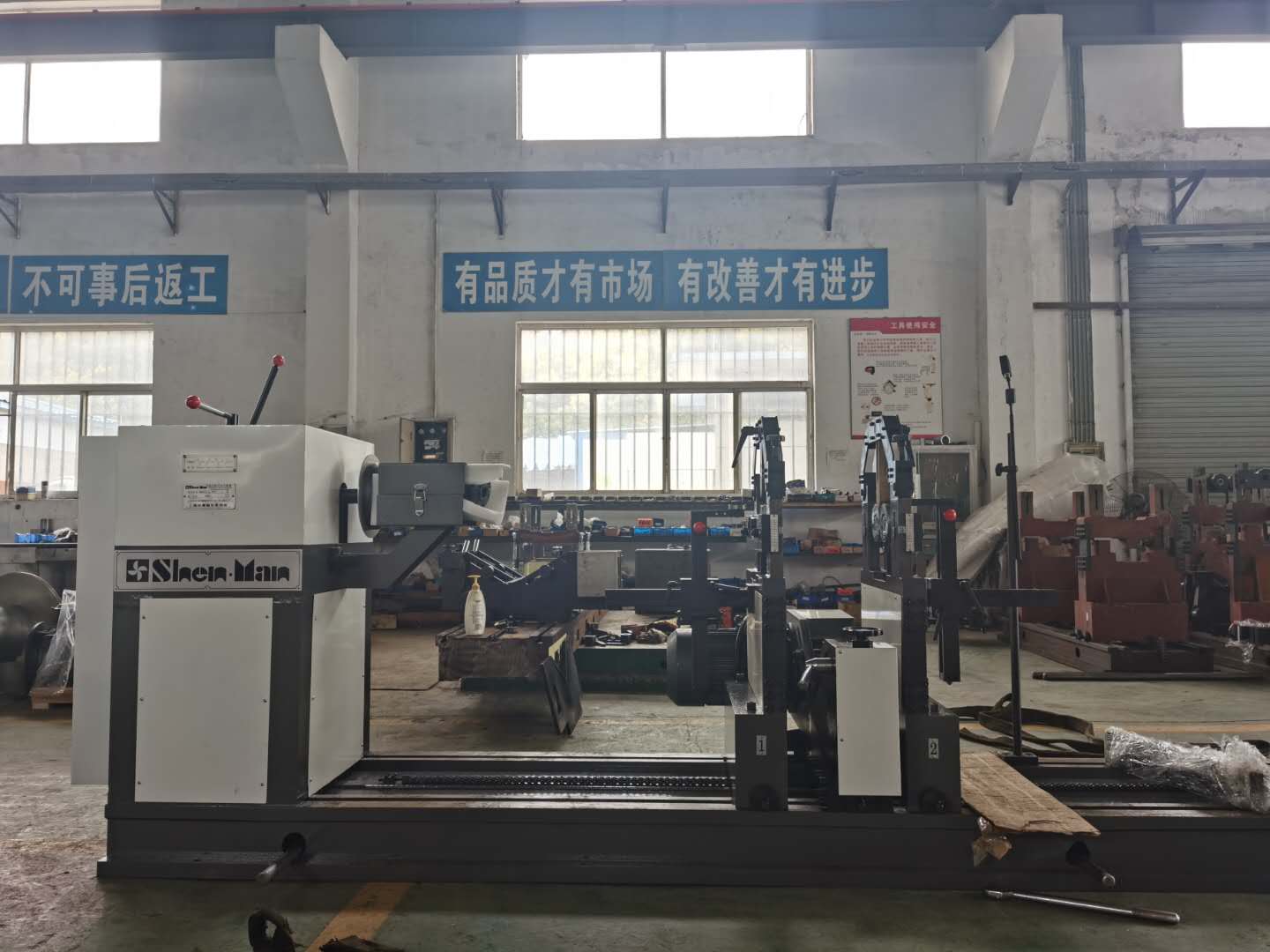
In actual operation, attention must be paid to the correctness of the dynamic balance detection clamping method. The dynamic balance machine is only a detection tool, and it is necessary to make the dynamic balance machine give full play to its function and let it enter this detection state. The prerequisite for entering this state is to select the correct clamping method. Therefore, whether this factor should be considered before the dynamic balance test, and which clamping method of the dynamic balance machine should be considered before purchasing the dynamic balance machine.
At present, in general, such factories as the flange of the manufacturing center and the gear on the automobile, the flange, gear and other workpieces produced need dynamic balance detection. Due to the large quantity, better and more convenient fixtures are needed to improve the detection efficiency of the shaft type workpieces.
Reprint statement: This article was originally edited by Shenman balancing machine factory at www.shshenman.com, and cannot be reprinted without permission!
265 Views


